




 English (INTL)
 Deutsch
 Español
 Français
 Italiano
 Magyar
 Polski
 Português
 Svenska
 Türkçe
 български
 Україна
 English (Canada)
 English (US)
 English (AUS)
 India
India Philippines
 Singapore
 日本語
日本語 简体中文
简体中文 繁體中文
繁體中文 Türkçe
  Қазақша
 Русский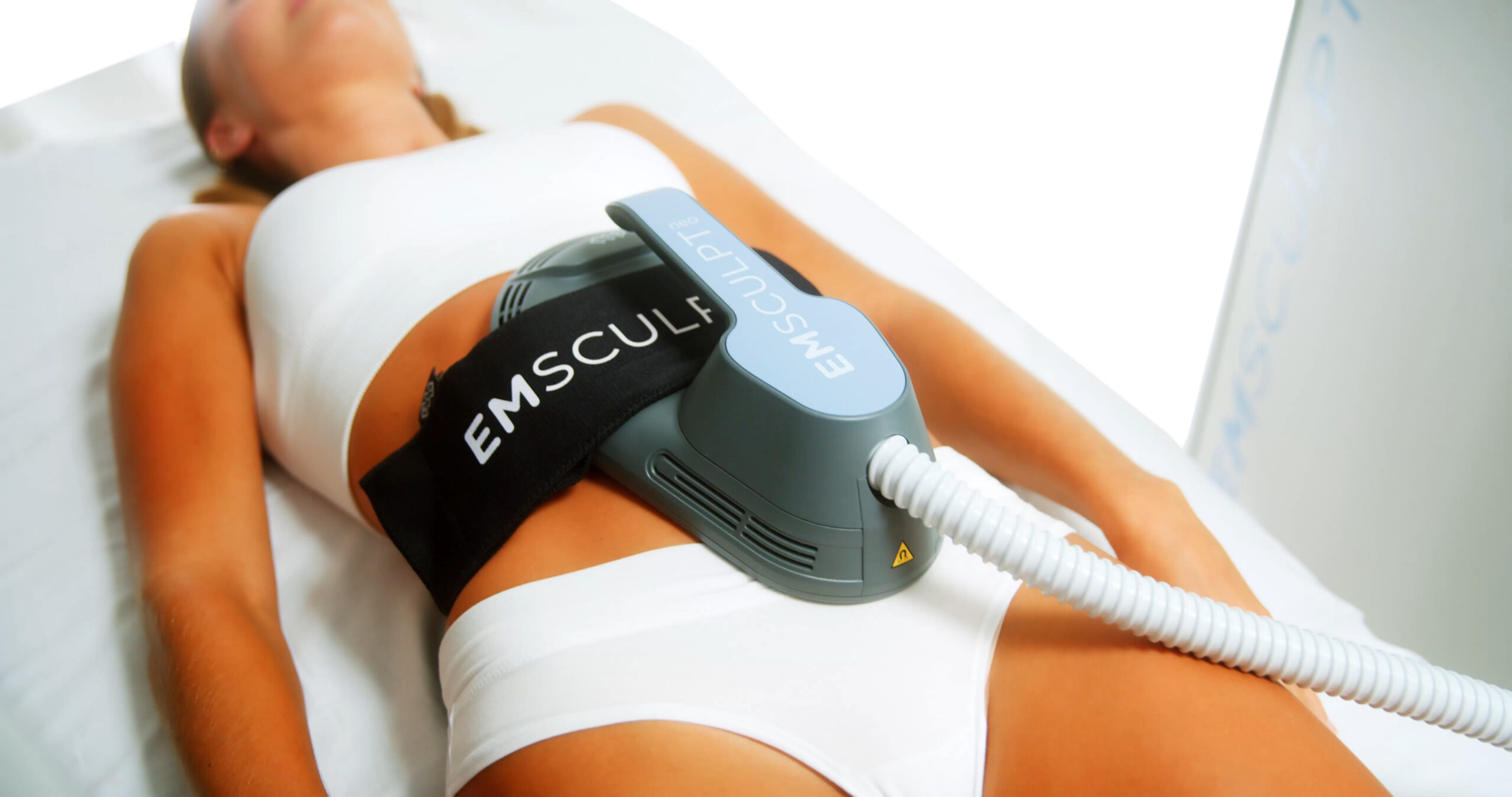
The medical aesthetics industry continues to evolve as patient preferences shift toward treatments that involve minimal disruption to daily activities. In response, many clinics are expanding their service offerings to include non invasive beauty treatments supported by advanced device based technologies.
For clinic owners, this shift presents an opportunity to diversify treatment portfolios and respond to growing interest in non surgical skin treatments and body contouring options.
The Growing Role of Non Invasive Treatments
Across the medical aesthetics industry, non invasive facial treatments and non surgical body contouring procedures are becoming increasingly common in aesthetic practices. These treatments typically involve device based technologies such as radiofrequency skin tightening or muscle stimulation systems, delivered through structured treatment protocols within a clinical environment.
For many clinics, these technologies allow practitioners to offer a broader range of aesthetic services while maintaining consistent treatment scheduling and workflow within the practice.
Ongoing Development in Aesthetic Technology
Advances in advanced beauty technology continue to support the development of new treatment platforms designed for aesthetic practitioners. These systems are intended to assist clinicians in providing non surgical aesthetic procedures that align with patient preferences for treatments that do not involve surgery.
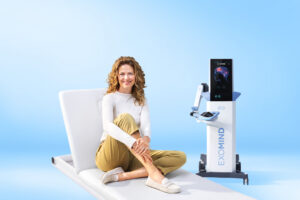
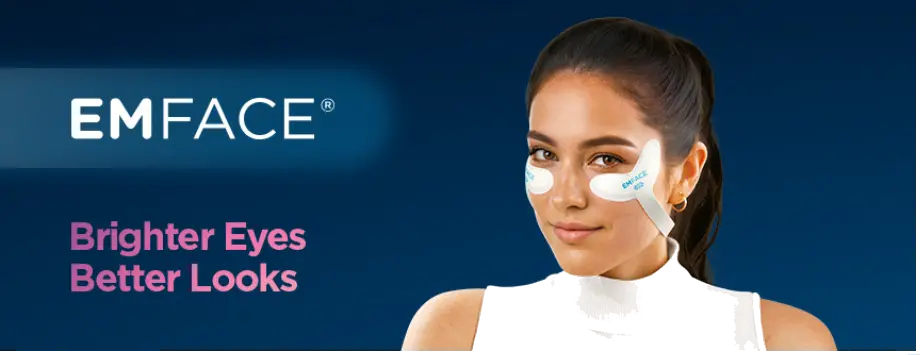
Platforms such as EMFACE, EMSCULPT NEO, and EXION are examples of device based technologies available within the medical aesthetics industry. These technologies are designed to support a range of aesthetic treatment applications when used according to their intended purpose and regulatory approvals.
For clinics exploring new technology adoption, these types of platforms may allow practitioners to expand their service offering while maintaining operational efficiency within existing treatment spaces.
Operational Considerations for Clinics
Device based non invasive treatments can support structured appointment scheduling and allow clinics to provide a range of treatment options across different patient groups.
From a practice management perspective, clinics may consider several operational factors when evaluating new technology investments:
• Integration into existing treatment rooms and workflows
• Staff training and treatment protocol implementation
• Scheduling flexibility across multiple treatment types
• Alignment with the clinic’s broader service offering
Careful evaluation of these factors can assist clinics in determining whether new treatment technologies align with their operational and strategic goals.
Supporting Long Term Clinic Development
As the medical aesthetics industry continues to develop, clinics are increasingly exploring ways to incorporate new technology into their service offerings while maintaining high standards of clinical governance and regulatory compliance.
For practices across Australia and New Zealand, non invasive aesthetic technologies represent one pathway for expanding treatment options within an evolving industry landscape.
For clinics exploring aesthetic technology options in Australia and New Zealand, engaging with experienced technology providers such as BTL may assist in understanding how different platforms can integrate into an existing practice environment.
To request further information or speak with the team, please contact us.