




 English (INTL)
 Deutsch
 Español
 Français
 Italiano
 Magyar
 Polski
 Português
 Svenska
 Türkçe
 български
 Україна
 English (Canada)
 English (US)
 English (AUS)
 India
India Philippines
 Singapore
 日本語
日本語 简体中文
简体中文 繁體中文
繁體中文 Türkçe
  Қазақша
 Русский
The medical aesthetics industry across Australia and New Zealand continues to develop as clinics explore ways to expand their service offerings and respond to patient interest in non surgical treatments. As a result, many practices are assessing new aesthetic technologies as part of their broader business and clinical planning.
Investing in aesthetic technology involves careful evaluation across regulatory, operational and financial considerations. For clinic owners, selecting a new device is often part of a longer term strategy to expand treatment options within the practice.
Clarifying Your Practice Objectives
Before evaluating a device, it is helpful to define the intended role the technology may play within your clinic.
For example, practices may consider whether they are aiming to:
• Expand their range of non surgical body contouring services
• Introduce additional non invasive facial treatments
• Offer complementary aesthetic procedures within existing treatment rooms
• Support the development of structured treatment programs
Identifying these objectives early can help guide the evaluation process and ensure any new technology aligns with the clinic’s existing services and patient demographics.
Assessing Technology Options
Advances in aesthetic technology have led to a range of device based treatment platforms available to clinics. These technologies are intended to support practitioners in delivering non surgical aesthetic procedures when used in accordance with their regulatory approvals and intended purposes.
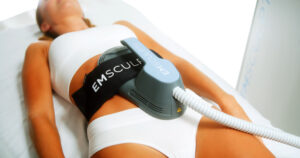
Platforms such as EMSELLA, EMSCULPT NEO and EXOMIND are examples of technologies available within the medical aesthetics industry. When assessing device options, clinics may wish to consider how a platform fits within their existing treatment offering and clinical workflows.
Key considerations may include:
• Intended use and regulatory approvals, including ARTG listing where applicable
• Compatibility with current treatment rooms and infrastructure
• Training requirements for clinical staff
• Ongoing technical support and service availability
Operational and Practice Considerations
Introducing new aesthetic equipment can affect multiple aspects of clinic operations. Evaluating how a device may integrate into scheduling systems, staff responsibilities and treatment protocols can assist in determining its suitability for the practice.
Clinic owners may consider factors such as:
• Appointment scheduling and treatment room utilisation
• Staff training requirements and scope of use
• Integration with existing treatment services
• Service support and maintenance arrangements to support operational continuity
Careful planning can help ensure new technology is incorporated into the practice in a structured and manageable way.
Regulatory and Compliance Considerations
In Australia and New Zealand, aesthetic devices must meet relevant regulatory and safety requirements. For Australian clinics, this includes ensuring devices are appropriately listed on the Australian Register of Therapeutic Goods (ARTG) where required.
Clinic owners may also wish to review:
• Manufacturer training and certification processes
• Device documentation and instructions for use
• Ongoing service and technical support arrangements
• Compliance with applicable medical equipment standards
Maintaining appropriate documentation and training processes supports safe and responsible use of device based treatments within a clinical setting.
Planning Technology Investment in Your Practice
Adopting new aesthetic technology is often part of a broader practice development strategy. Careful assessment of clinical, operational and regulatory considerations can assist clinic owners in determining whether a device aligns with their long term service plans.
For clinics exploring aesthetic technology options in Australia and New Zealand, engaging with experienced technology providers such as BTL may assist in understanding how different platforms can integrate into an existing practice environment.
To request further information or speak with the team, please contact us.