








 English (INTL)
 Deutsch
 Español
 Français
 Italiano
 Magyar
 Polski
 Português
 Svenska
 Türkçe
 български
 Україна
 English (Canada)
 English (US)
 English (AUS)
 India
 Philippines
 Singapore
 日本語
 简体中文
 繁體中文
 Türkçe
 Қазақша
 Русский
In Short
- McKinsey’s 2026 preview found 84 per cent of consumers rate wellness a top or important priority, but the survey did not include Australia.
- Four trends are worth testing against your own enquiries: women’s health, weight management, cognitive health and broader wellbeing.
- Ahpra and TGA rules require advertising to stay within a device’s purpose on the Australian Register of Therapeutic Goods (ARTG) and be backed by evidence.
- Local demand, room capacity and team training should decide which investment suits your clinic.
Consumer research suggests patient expectations of clinics are shifting as wellness becomes part of everyday life. Four trends stand out for 2027, and each comes with advertising rules that apply from the first campaign.
A preview of McKinsey’s Future of Wellness 2026 research found that 84 per cent of more than 9,000 consumers rank wellness as a top or important priority (European Spa Magazine). They were surveyed in the US, UK, Germany and China, so compare each trend with what your own patients ask about.
Women’s Health Trends for Clinics in 2027
The Global Wellness Summit’s 2026 trends report predicts that longevity will increasingly focus on women. In Australia, a Monash University-led study of more than 5,500 women found that almost 40 per cent of those in late perimenopause appeared to have untreated, moderately to severely bothersome vasomotor symptoms. These include hot flushes and night sweats.
Aesthetic devices aren’t intended to treat these symptoms, so patients who raise them may be best referred on. For pelvic health, EMSELLA is intended to provide pelvic floor muscle strengthening for genitourinary conditions in male and female patients (ARTG 302821). That purpose is separate from the symptoms above, so assess whether it suits your patient base.
Weight Management Trends and Patient Interest
McKinsey’s 2026 preview discusses how weight loss medications may be changing the products and services consumers use (Spa Business). Clinics may meet more patients who want to talk about their options after weight loss. A full consultation covering medical history and goals is a sensible starting point.
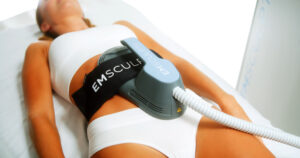
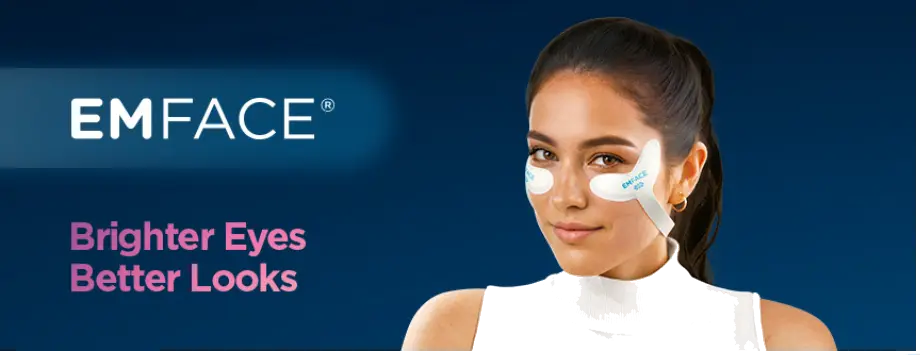
EMTONE, EMSCULPT NEO and EMFACE each have their own ARTG-listed purpose, set out in the table below. None covers managing the effects of weight loss medication or treating a medical condition. Suitability is a matter for the treating practitioner’s assessment of each patient.
Cognitive Health Demand and What It Means for Clinics
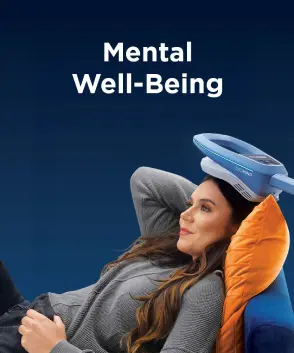
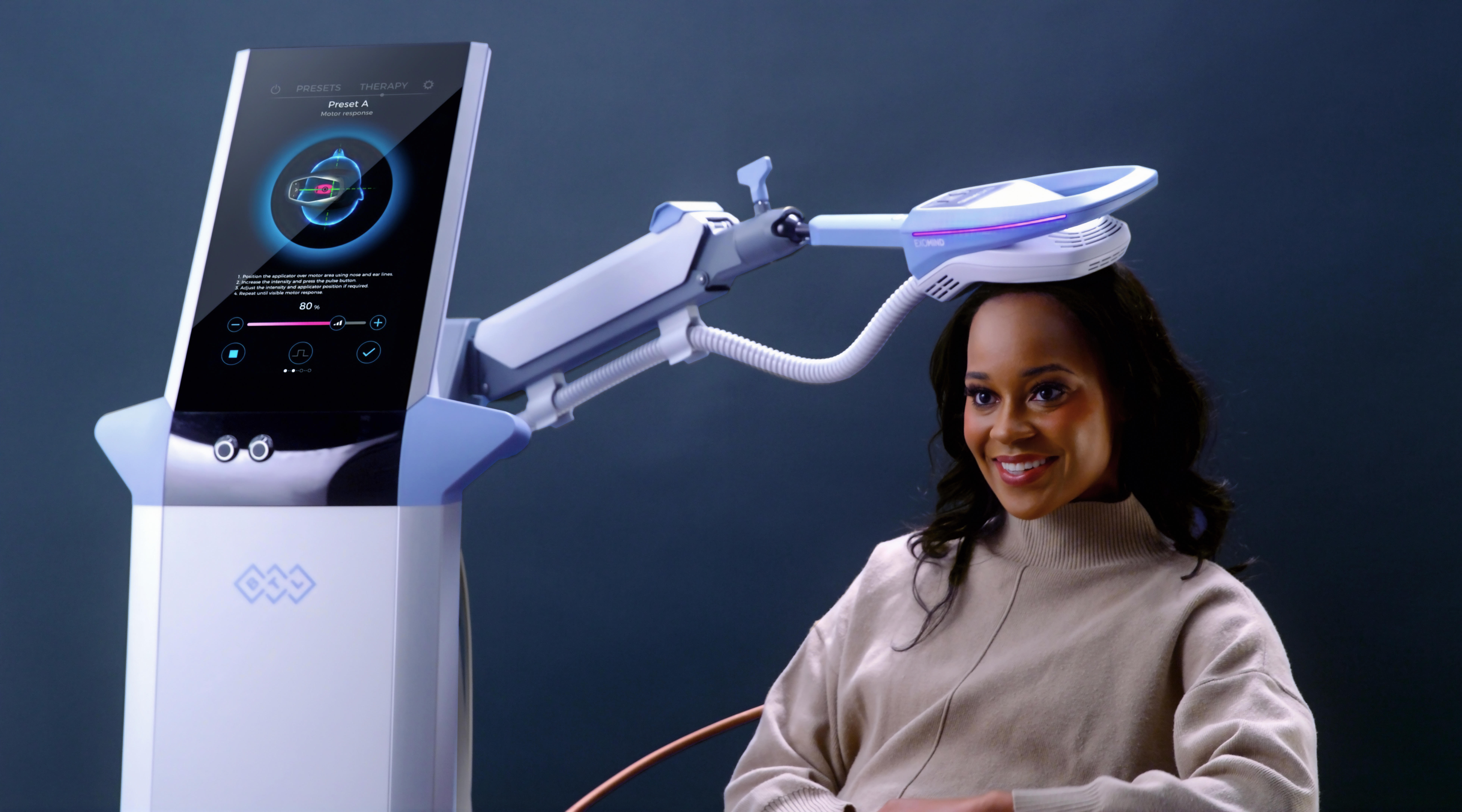
According to the McKinsey preview, consumers across segments are interested in cognitive health but find few solutions (Spa Business). EXOMIND is a repetitive transcranial magnetic stimulation (rTMS) device with its own ARTG-listed intended purpose (ARTG 481085), and advertising must stay within that wording.
In this service area, clinical governance, referral pathways and alignment with the intended use are likely to matter more than demand. Certain serious conditions also face extra TGA restrictions, so check the TGA’s guidance on restricted and prohibited representations before promoting this service.
Broader Wellbeing and Measuring Patient Progress
McKinsey’s preview reports that consumers now define health across six dimensions: sleep, appearance, health, mindfulness, fitness and nutrition (European Spa Magazine). Patients may therefore judge a clinic on more than a single treatment. Consistent consultation tools, clear treatment plans and documented progress help a clinic show the care it provides, whichever devices it uses.
ARTG-Listed Purposes of BTL Devices
Each device is listed on the ARTG for a specific intended purpose. The table sets out that wording for the devices mentioned above. The ARTG entry holds the full wording, and patient results and experience may vary.
| Device | ARTG-listed purpose | ARTG |
|---|---|---|
| EMSELLA | Pelvic floor muscle strengthening for genitourinary conditions in male and female patients | 302821 |
| EMTONE | Skin tightening, fat reduction and reduction of cellulite | 319200 |
| EMSCULPT NEO | Body reshaping, muscle toning, building and strengthening and fat reduction by lipolysis. With the optional EMSELLA Chair Applicator, also pelvic floor muscle strengthening for treatment of urinary incontinence | 329193 |
| EMFACE | Strengthening of facial muscles and reduction of facial wrinkles and rhytids | 394105, 393998 |
| EXOMIND | Repetitive transcranial magnetic stimulation (rTMS). See the ARTG entry for the full intended purpose | 481085 |
Ahpra and TGA Advertising Rules for Clinic Services
Advertising rules apply from the first campaign. Ahpra’s guidelines for advertising higher risk non-surgical cosmetic procedures commenced on 2 September 2025 (Ahpra). They focus on procedures such as injectables, but section 133 of the National Law covers advertising of any regulated health service. Four points matter most:
- Evidence: claims must be supported by acceptable evidence under Ahpra rules and appropriate evidence under TGA rules.
- ARTG purpose: advertising must stay within the intended purpose recorded on the device’s ARTG entry.
- Testimonials and expectations: section 133 bans testimonials and advertising that creates an unreasonable expectation of beneficial treatment.
- Serious conditions: references to certain serious diseases and conditions may need prior TGA approval or permission.
Each device also has its own safety information, including warnings and contraindications, in its product information. Build a review of advertising and documentation into any new investment.
How to Choose Where to Invest in Your Clinic
The right investment depends on local demand, room and practitioner capacity, and the training a team can take on. Work through these steps before committing:
- Compare the trends above with your own enquiries and consultation notes.
- Check room schedules and practitioner capacity for a new service.
- Confirm the training your team would need and who would deliver it.
- Read the device’s ARTG entry and plan your advertising around that wording.
- Ask the supplier what training, servicing and support continue after the sale.
Key Takeaways
- Check McKinsey’s findings against your own enquiries first, because the survey did not include Australian consumers.
- Refer patients who raise vasomotor symptoms. Aesthetic devices aren’t intended to treat them, and EMSELLA relates only to pelvic floor muscle strengthening within its ARTG purpose.
- Start weight management conversations with a full consultation on medical history and goals, and match any device to its listed purpose.
- Put clinical governance and referral pathways in place before promoting any cognitive health service.
- Write every ad from the ARTG entry, keep evidence for each claim on file, avoid testimonials and check the TGA’s guidance on serious conditions.
- Plan training, room time and servicing before you buy, and keep advertising sign-off with your clinic.
BTL Aesthetics works with partner clinics across Australia and New Zealand on practitioner training, marketing assets built around each device’s ARTG-listed purpose, technical service and ongoing support. Each clinic is responsible for its own advertising, and BTL for the materials it publishes or controls. To compare these devices against your patient base, speak with the team.
References
- European Spa Magazine. (2026). First look at McKinsey’s Future of Wellness report. https://europeanspamagazine.com/?p=39970
- Spa Business. (2026, June 19). McKinsey: 84 per cent of consumers say wellness is a top priority. https://www.spabusiness.com/wellness-news/-84-per-cent-of-consumers-now-say-wellness-is-a-top-priority-in-their-lives-says-initial-McKinsey-report-findings/363112
- Global Wellness Summit. (2026). The Future of Wellness 2026 trends report. https://www.globalwellnesssummit.com/?p=62912
- Monash University. (2025). First of its kind study explores symptom prevalence across the menopause transition. https://www.monash.edu/medicine/news/latest/2025-articles/first-of-its-kind-study-explores-symptom-prevalence-across-the-menopause-transition
- Ahpra. (2025). Summary of the advertising requirements. https://www.ahpra.gov.au/Publications/Advertising-resources/Legislation-guidelines/Summary-of-advertising-obligations.aspx
- Therapeutic Goods Administration. (n.d.). Restricted and prohibited representations in advertising. https://www.tga.gov.au/products/regulations-all-products/advertising/applying-advertising-code/restricted-and-prohibited-representations-advertising